


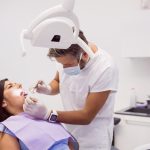







Microneedling radiofrequency follicle stimulation (MNRF) is a noninvasive method of stimulating collagen production in the dermal and subcutaneous layers. Unlike conventional microneedling, which involves small needle punctures in the skin, microneedling radiofrequency (MNRF) transmits radiofrequency radiation (RF) straight into the dermis using insulated needles. By targeting the skin’s deeper layers, this mixture helps restore its texture, tone, and suppleness without causing significant superficial harm. This procedure is becoming increasingly popular in cosmetic dermatology since it may deliver precise results with short recovery time.

Benefits:
- MNRF uses RF radiation to increase collagen synthesis, surpassing standard microneedling methods. Fine lines and wrinkles diminish, making the skin tighter and stronger.
- Skin tightening: The heat from radiofrequency radiation causes the skin to shrink, giving it a tighter appearance. For this reason, MNRF works wonders on sagging skin, particularly around the cheekbones, jawline, and neck.
- Scar and stretch mark enhancement: MNRF may treat surgical scars, acne, and stretch marks, among other things. MNRF may make scars seem less apparent and modify their texture, resulting in more equal skin. This occurs because MNRF increases collagen, which is present within scar tissue.
- Reduce sun damage and hyperpigmentation: MNRF may help to lessen the appearance of sun spots and other pigment abnormalities by increasing the rate of skin cell turnover and collagen synthesis, which smoothes out skin tone.
- MNRF targets deeper layers of the skin without injuring the surface, resulting in a shorter recovery period than more intrusive treatments. Most people have moderate redness and swelling that resolves within a day or two.
What to expect:
To reduce potential pain, a topical anaesthetic cream is used prior to MNRF therapy. After washing the affected region, the user adjusts the device settings according on their skin type, texture, and desired outcomes.
During the procedure:
The MNRF gadget uses radiofrequency radiation to penetrate the skin using microneedles, gently directing the patient to the treatment location. RF radiation often causes a little prickling sensation and some patient warming. The therapy typically lasts between thirty and sixty minutes, depending on the size of the location.
Follow-Up on Treatment
Using sunscreen and avoiding drying out your skin is critical after MNRF. Redness, swelling, or a little sunburn may occur, although these symptoms normally resolve within a day or two. Pay heed to your doctor’s advice and replace harsh skincare products with soft, hydrating alternatives.
Microneedling versus MNRF Comparisons
MNRF and microneedling both increase collagen synthesis, however MNRF has a distinct benefit due to the use of RF radiation. The increased heat targets deeper layers of the skin, improving skin tightening as well as scar or wrinkle treatment with MNRF. MNRF may benefit a broader spectrum of skin tones since treatment produces benefits with a lower risk of hyperpigmentation.
The number of sessions needed
Most individuals get the best benefits after three to five sessions spaced four to six weeks apart. Your doctor might assist you in developing a treatment plan based on your skin type and particular objectives.
Should you join MNRF altogether?
Microneedling RF is ideal for anybody looking for a non-invasive way to enhance the firmness, texture, and tone of their skin. MNRF uses RF radiation to treat a number of skin issues, including mild sagging, scars, fine lines, and wrinkles. Consult a specialist to see whether MNRF will be a good fit for your skin objectives.
Regular MNRF treatments and proper aftercare will help you achieve smoother, firmer, younger-looking skin. Book an appointment with our experts at Pristine Clinic to get the correct diagnosis and treatment for a perfect skin.
